How to Lower Your Energy Bills with Smart HVAC Upgrades?
Inflation is affecting almost everything including groceries, housing, and everyday living costs. While we can’t control the economy, we can control how much energy our homes use.
Did you know that two-thirds of the energy used in the average Canadian home is dedicated to heating and cooling? In fact, for many homeowners, the biggest contributor to those bills is the HVAC system. But the good news is that strategic HVAC upgrades can dramatically reduce energy consumption while improving comfort inside your home.
If you’re looking to lower your monthly utility bills, upgrading to smart HVAC systems or energy-efficient equipment is one of the most effective solutions.
Let’s understand how we can lower your energy bills.
Why Your HVAC System Uses So Much Energy
Your HVAC system works constantly throughout the year to maintain comfortable indoor temperatures. When equipment is old or poorly optimized, it needs to run longer and harder to produce the same results.
Several common issues can cause high energy consumption:
- Outdated furnace or air conditioning systems
- Poor thermostat control
- Lack of zoning in the home
- Inefficient airflow or ductwork problems
- Dirty air filters
- Lack of routine maintenance
When these issues combine, the system runs longer cycles, increasing energy usage and wear on the equipment. Strategic HVAC upgrades can fix these inefficiencies and help homeowners lower their energy bills without sacrificing comfort.
Fact Check: Homes in British Columbia typically use 900–1,300 kWh of electricity per month, which equals roughly $140 to $200 per month in electricity costs.
What Are Smart HVAC Systems?
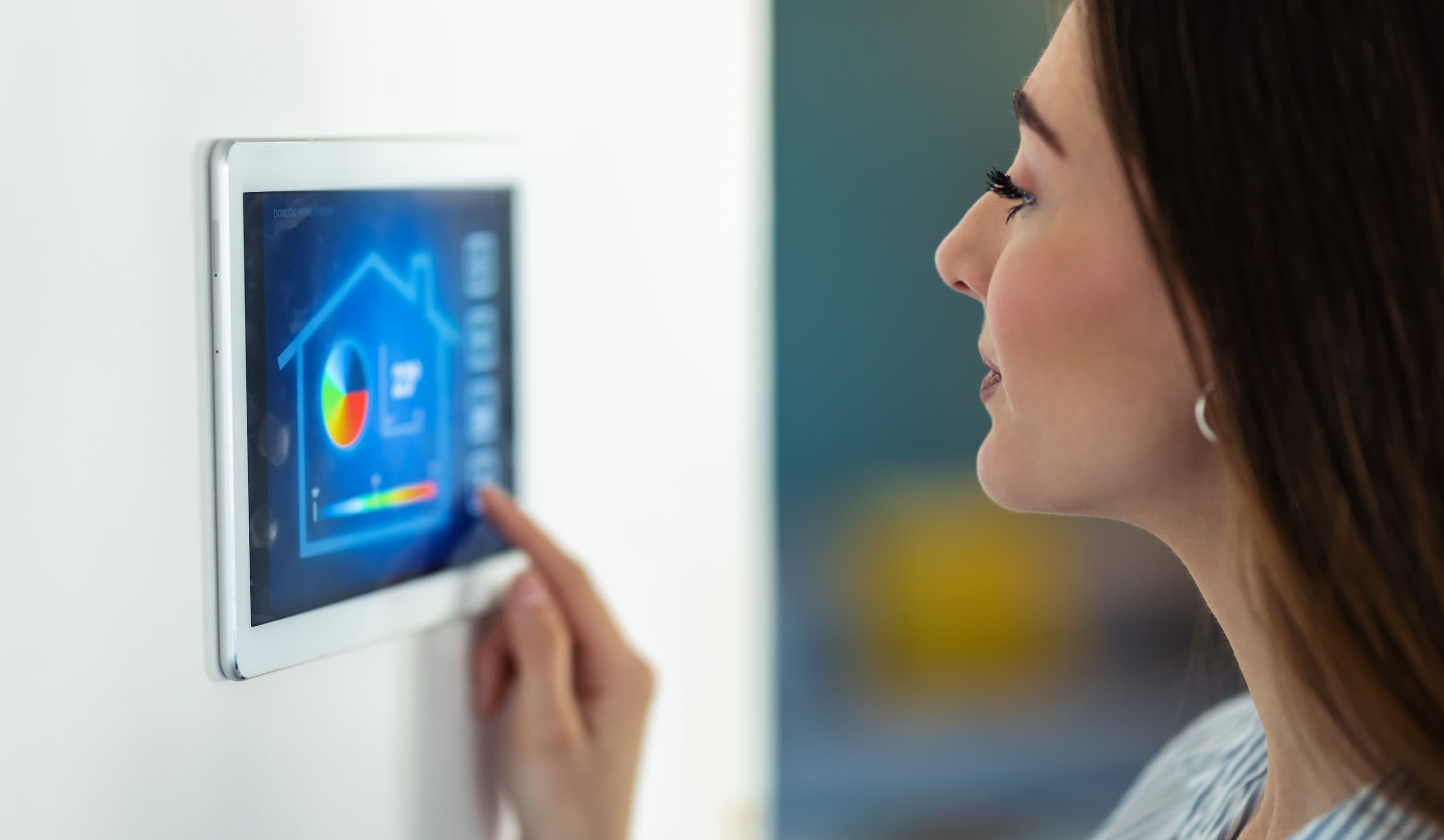
Smart HVAC systems use modern technology and automation to control heating and cooling more efficiently. These systems monitor indoor temperatures, learn usage patterns, and adjust operation to prevent unnecessary energy consumption.
Unlike traditional systems that simply turn on or off based on a fixed temperature, smart HVAC systems respond dynamically to your home's needs.
Common features of the best smart HVAC systems include:
- Smart thermostats that learn household habits
- Remote control through smartphone apps
- Automated temperature schedules
- Energy usage monitoring
- Zoned temperature control
- Integration with home automation systems
By adjusting heating and cooling automatically, these systems prevent wasted energy and help homeowners reduce monthly costs.
HVAC Upgrades That Can Lower Your Energy Bills
Not every home requires a complete system replacement. In many cases, smaller HVAC upgrades can significantly improve efficiency and reduce energy use.
1. Install a Smart Thermostat
One of the simplest HVAC upgrades is installing a smart thermostat. These devices automatically adjust the temperature based on occupancy, time of day, and personal preferences.
Benefits include:
- Reduced heating or cooling when you're not home
- Automated scheduling
- Remote temperature control
- Detailed energy usage insights
Many homeowners see energy savings of 10–15% annually after installing a smart thermostat.
2. Upgrade to a High-Efficiency Furnace or Heat Pump
Older heating systems can operate at efficiencies as low as 60–70%. Modern systems are designed to run much more efficiently.
Upgrading to a high-efficiency furnace or heat pump can provide:
- Lower fuel or electricity consumption
- Faster and more consistent heating
- Reduced operating costs
- Improved reliability during colder months
Heat pumps in particular have become one of the best smart HVAC systems for energy efficiency, especially in climates like Surrey and Langley where winters are mild compared to other regions.
3. Add Zoned Heating and Cooling
Zoning systems divide your home into separate temperature areas. Each zone can be controlled independently, allowing you to heat or cool only the spaces that are being used.
This prevents energy from being wasted on empty rooms.
Advantages of HVAC zoning include:
- Better temperature control
- Reduced HVAC runtime
- Improved comfort across multiple floors
- Energy savings of up to 30% in some homes
Zoning is especially useful in larger homes or properties with multiple levels.
4. Upgrade Your Air Conditioning System
New air conditioning units are designed with energy efficiency in mind. Many modern systems use variable-speed compressors that adjust cooling output based on demand.
Benefits of upgrading your AC include:
- Reduced electricity usage
- Quieter system operation
- Better humidity control
- More consistent cooling performance
This is one of the most effective HVAC upgrades for homeowners experiencing high summer electricity bills.
5. Improve Airflow and Ventilation
Even the best HVAC equipment can struggle if airflow inside the home is restricted.
Simple improvements can include:
- Sealing duct leaks
- Rebalancing airflow
- Installing smart vents
- Replacing clogged filters regularly
These adjustments help your system operate more efficiently and reduce the amount of energy required to maintain comfortable temperatures.
Comparing Common Smart HVAC Upgrades
These HVAC upgrades can deliver significant long-term savings while improving indoor comfort.
Signs Your HVAC System Needs an Upgrade
Many homeowners wait until their system completely fails before upgrading. However, there are several early warning signs that an upgrade may be necessary.
You may need HVAC upgrades if you notice:
- Energy bills increasing each year
- Uneven heating or cooling throughout the home
- Frequent HVAC repairs
- System age exceeding 10–15 years
- Loud or unusual noises from equipment
- Poor indoor air quality
Upgrading early often costs less than repeated repairs and helps prevent unexpected system breakdowns.
Why Professional HVAC Installation Matters?
Even the best smart HVAC systems will not perform efficiently if they are installed incorrectly. Proper installation ensures that equipment is sized correctly, airflow is balanced, and the system operates at peak efficiency.
Professional technicians also ensure that:
- HVAC systems are properly calibrated
- ductwork is optimized for airflow
- thermostats are integrated correctly
- smart HVAC technology is configured properly
Rockson & Sons has been providing HVAC services for homeowners and businesses in Langley, Surrey, and surrounding areas for over two decades, helping customers improve comfort and efficiency with professional installation and maintenance.
Read Also: Importance of Regular HVAC Maintenance
Final Thoughts
Lowering your energy bills doesn’t always require major renovations. In many cases, targeted HVAC upgrades and modern smart HVAC systems can dramatically reduce energy consumption while improving comfort in your home.
Smart thermostats, zoning systems, high-efficiency heating equipment, and improved airflow all work together to make your heating and cooling system operate more efficiently.
Investing in the best smart HVAC systems can provide long-term savings, better comfort, and fewer maintenance issues in the future.
Need Help With HVAC Upgrades in Langley or Surrey?
If you're considering HVAC upgrades or smart HVAC systems, working with experienced professionals ensures you get the best performance and energy savings from your system.
As the most trusted HVAC contractors in Langley, Surrey, and nearby areas, Rockson and Sons provides expert HVAC installation, maintenance, and system upgrades.
Whether you need a smart thermostat installation, heat pump upgrade, furnace replacement, or air conditioning service, our experienced technicians can help you choose the right solution for your home.
Call today to schedule a professional HVAC assessment and start lowering your energy bills.